Karinela Dispatch
Vol. I  ·  2026

Move.Train.Repeat.

An independent editorial record of bodyweight training, outdoor fitness routines, and the no-equipment methods that make structured movement accessible anywhere.

Read Latest Issue
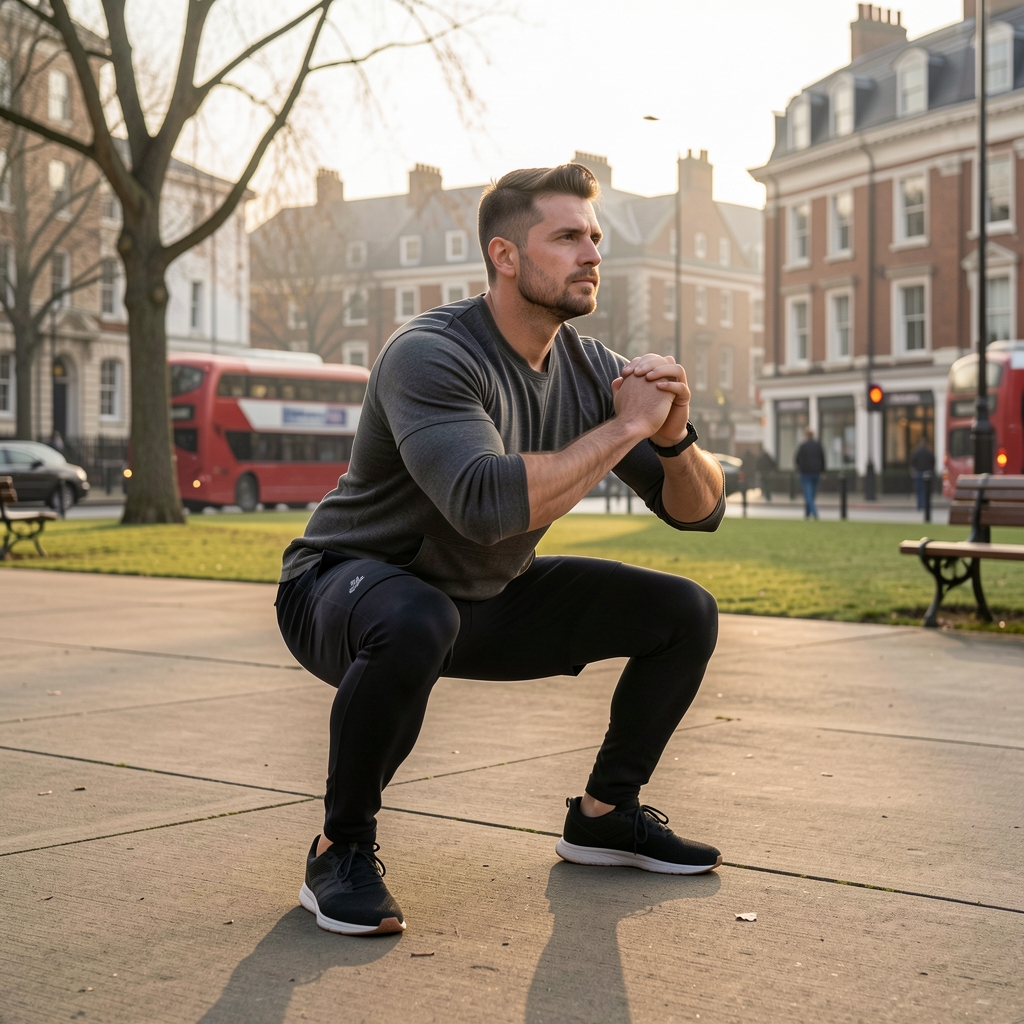
Man performing a bodyweight squat on a concrete park surface, early morning light, urban outdoor setting in London
No Equipment Required
18+
Movement Patterns Documented
3
Field-Tested Programmes
40+
Progression Steps Mapped
0
Equipment Required
01 / Coverage Areas

What Karinela Dispatch Covers

01

Bodyweight & Calisthenics

Push-up progressions, pull-up alternatives, squat variations, plank series, and dip techniques assessed across measurable ranges of motion and sustainable effort outputs.

02

Outdoor Running & Conditioning

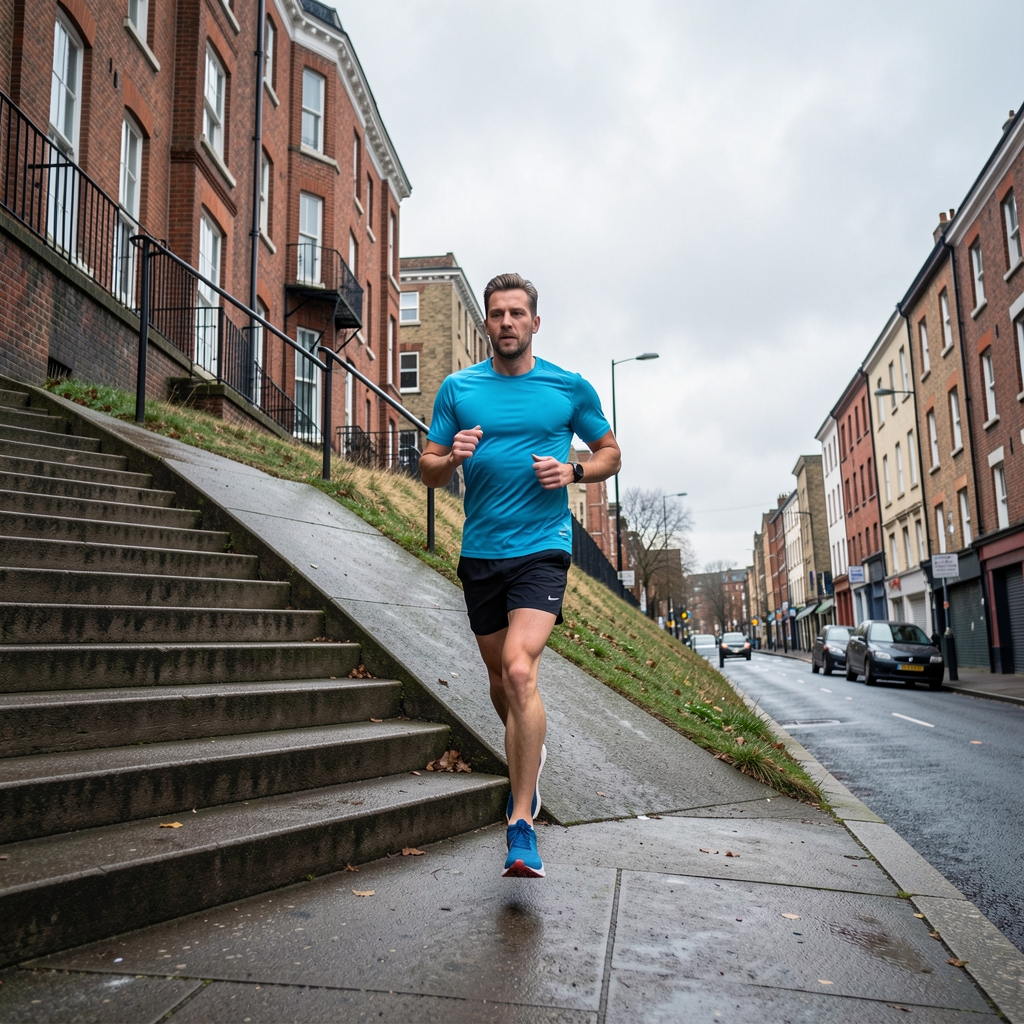
Outdoor running plans, hill sprint structures, stair workout protocols, and active commuting strategies positioned within a weekly conditioning framework.

03

Mobility & Functional Movement

Flexibility routines, mobility drills, dynamic stretching sequences, and playground fitness patterns evaluated against functional movement benchmarks.

02 / Editorial Approach

Field-informed. Evidence-referenced. Equipment-free.

Each article published by Karinela Dispatch is developed around documented movement research, practical field observation, and the editorial standards that govern our review process. The publication focuses on training routines accessible without specialist apparatus — park benches, concrete stairs, open grass, and bodyweight alone constitute the primary research environment.

Our writers apply a consistent methodology: identify the movement pattern, document the progression sequence from entry-level to advanced variants, and note the observable indicators that distinguish sustainable effort from counter-productive load. No speculative outcome claims are made. No commercial arrangements influence article selection.

Read our Editorial Methodology
03 / Common Questions

Programme Notes

A structured bodyweight routine requires a flat surface, sufficient clearance to lie down, and — for pull-up progressions — access to a horizontal overhead bar, which most urban parks in England provide. The majority of the movement patterns documented in Karinela Dispatch are executable on any patch of level ground.

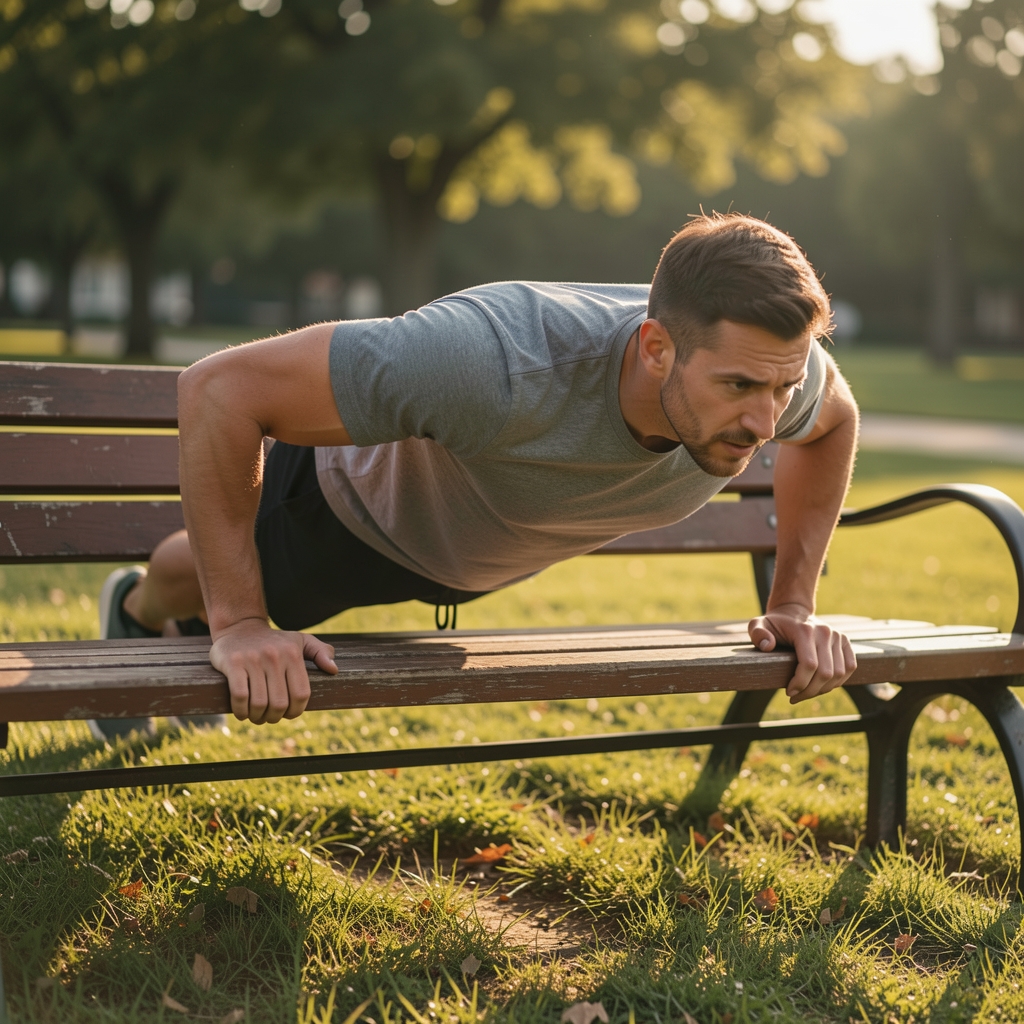
The documented progression sequence runs from wall-supported and incline variants (lower load, higher position) through standard floor push-ups, decline variants (increased anterior shoulder load), and into pike and archer-style patterns. Each step involves a distinct shift in the angle of force, which is measurable and observable without specialist assessment.

An evidence-informed outdoor running plan accounts for terrain variation, session-to-session recovery intervals, and the distinction between aerobic steady-state efforts and high-intensity repeats such as hill sprints. The programmes reviewed in this publication operate on a three-to-four session weekly structure, with at least one session reserved for lower-intensity walking or active commuting.

Mobility drills address range-of-motion constraints that accumulate through seated posture and repetitive movement patterns. Within a home training programme, a ten-to-fifteen minute dynamic flexibility routine placed at the session opening reduces load-bearing inefficiencies in subsequent strength-focused work. The plank series and hip-hinge warm-up sequences documented here serve that function.

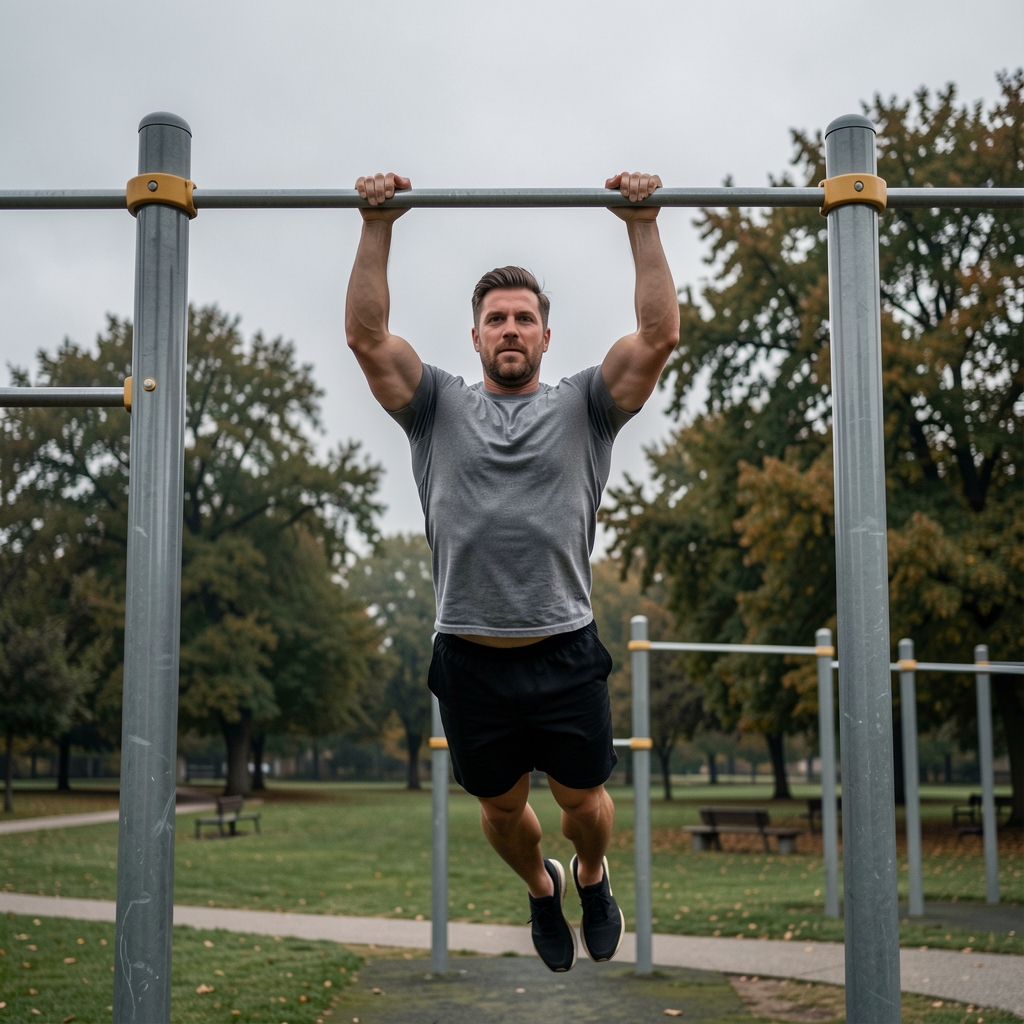
Public outdoor gym installations and standard playground structures provide horizontal bars, parallel rails, and inclined surfaces adequate for a comprehensive calisthenics session. The primary operational difference from gym-based training is variability in equipment geometry — angles and grip widths differ between installations. This variability is itself a documented training variable, engaging stabilising musculature that fixed gym apparatus does not.